
With the surge in popularity of ChatGPT, various domestic and international large-scale model evaluation rankings have been introduced. However, large models with similar parameter sizes often show significant ranking differences across different lists. The industry and academia attribute this primarily to the use of different evaluation sets, and also to the increasing proportion of subjective questions, which raises doubts about the fairness of the evaluations. As a result, third-party evaluation institutions like OpenCompass and FlagEval have started to gain attention. However, the industry believes that to create truly comprehensive and effective large-scale model evaluations, other dimensions such as model robustness and security need to be considered. This is still under exploration.
Investigation into the Chaos of Large Model Evaluation: Parameter Scale Does Not Represent Everything
10.9K views
Related

ByteDance bets on a 50 trillion parameter large model: exceeds Kimi K3 and Qwen 3.8-Max, Zhang Yiming orders internal ban on distillation
22.3K

ByteDance Discusses Training a Large Model with Over 5 Trillion Parameters, Scale May Exceed the Largest Existing Model in China
12.7K

Trillion-Level Computing Race Intensifies: Kimi K3 to be Unveiled in Third Quarter, Parameter Scale Targeting 2.5 Trillion
29.1K

Behind the Hype of DeepSeek-V4: How Does the Open-Source Framework One-Eval End the AI Evaluation Nightmare?
13.3K
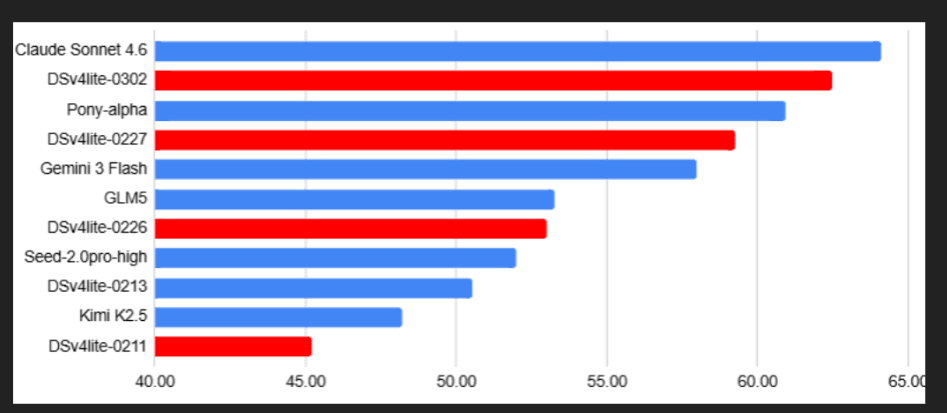
DeepSeek V4 Lite Evolves Stealthily: A 200 Billion-Parameter Small Model with Impressive Performance, Approaching Top Overseas Models
26.9K
Alibaba Qwen2-72B Tops HELM Ranking: Performance Surpasses Llama3-70B
13.5K